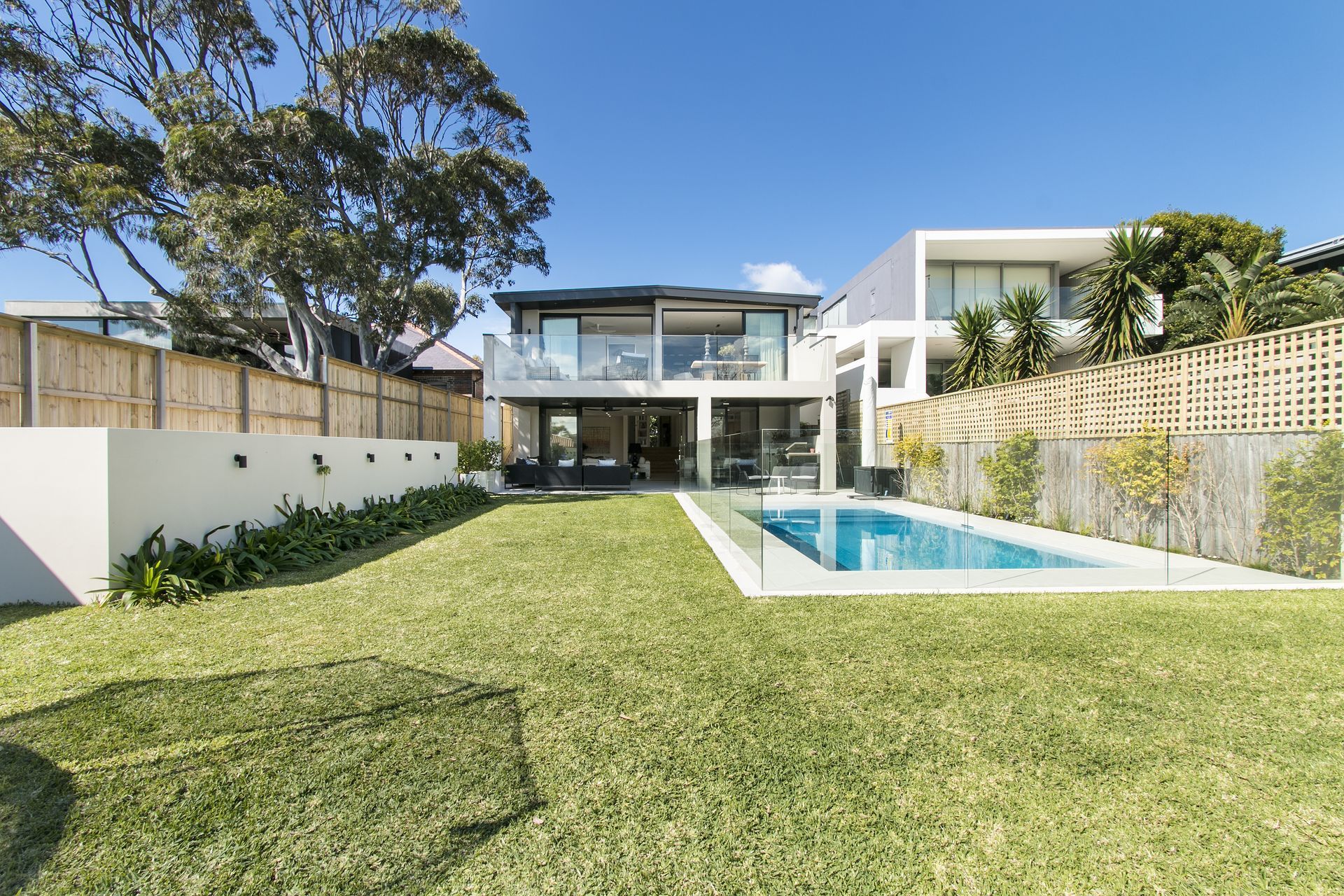


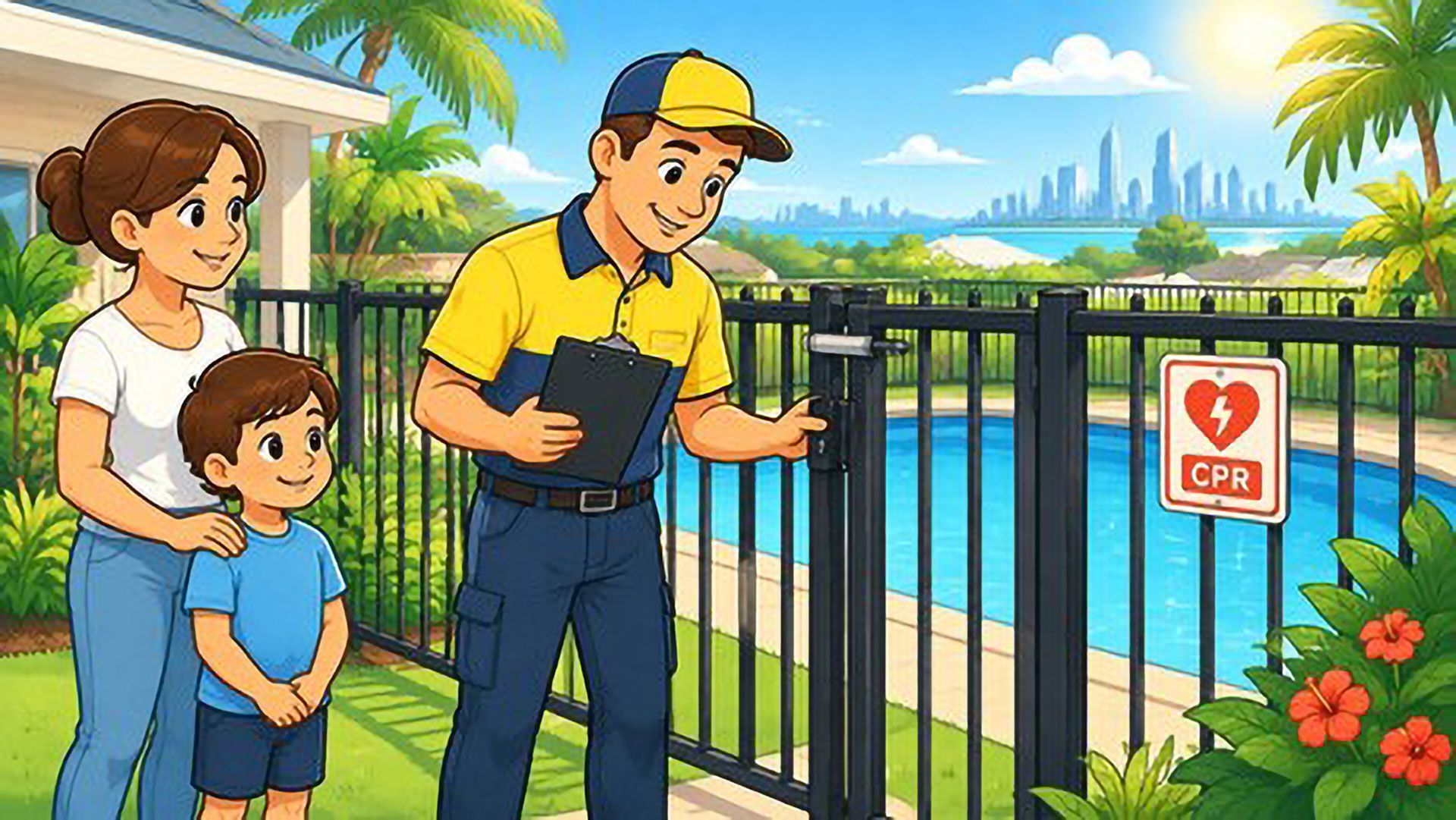
The Gold Coast is warming up, and pool season is nearly here . Before the kids race outside for their first swim, take a few minutes to check the fence, gate and pool area. After quieter winter and spring months, a gate may have become stiff, a latch may not catch every time, or garden growth may have crept too close to the fence. Small issues are easier to sort out now, before the busy summer rush. Here’s a practical checklist to help you prepare. It’s a useful home check, but it doesn’t replace a formal inspection against Queensland’s pool safety requirements.
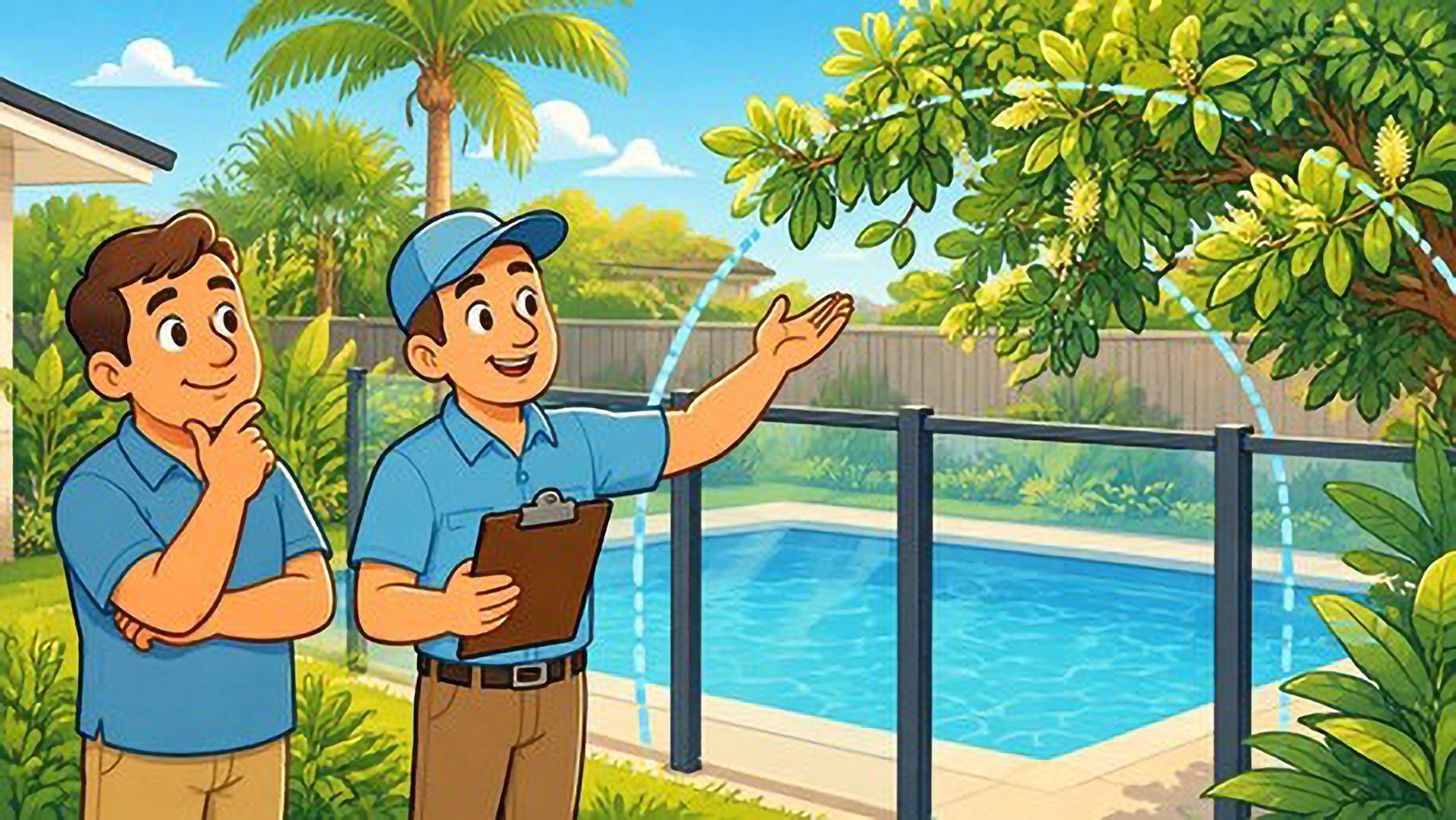
Spring is a lovely time to enjoy the backyard on the Gold Coast. It’s also when trees, shrubs and climbing plants can put on fresh growth, sometimes right beside your pool fence. A fence that was clear a few months ago may now have branches reaching across it, or a garden bed and pot plants that make it easier for a child to climb. The change can be easy to miss when you see the same garden every day. A quick check now can help you spot issues early and keep your pool area safer for your family. No stress, no jargon: we’ll explain what to look for.
Owning a pool on the Gold Coast is the absolute dream, isn't it? ☀ Whether you’re cooling off after a long day or hosting a Sunday BBQ with the family, that sparkling blue water is the heart of the home. But as every pool owner knows, with great pool parties comes great responsibility. Navigating pool fence regulations QLD can feel like trying to swim laps in a thick wetsuit, slow, confusing, and a bit exhausting. Between the legal jargon and the technical measurements, it's easy to get overwhelmed. That’s exactly why we’re here! At Get My Pool Certified , we believe pool safety shouldn't be a headache. We’re local Gold Coast experts who specialize in making the process simple, stress-free, and, most importantly, safe for your family. In this guide, we’ll break down everything you need to know about getting your pool safety certificate gold coast without the stress. No jargon. No confusion. Just simple, practical advice.
G’day, Gold Coast homeowners! ☀️ If you’re reading this, you’re probably either getting ready to sell your home, lease it out to some lucky tenants, or you’ve just realized that your pool safety certificate is about to expire. Whatever the reason, we know that the words "pool inspection" can sometimes bring on a bit of a headache. Does the gate swing right? Is the fence high enough? What on earth is a Form 23 pool safety certificate ? At Get My Pool Certified , we’re here to take that stress away. We’re a family-focused local business, and we think pool safety should be simple, transparent, and: dare we say it: actually a bit of a breeze. Before you pick up the phone to book your pool inspector Gold Coast , here are 10 essential things you need to know to make sure your backyard is a safe haven for your family.
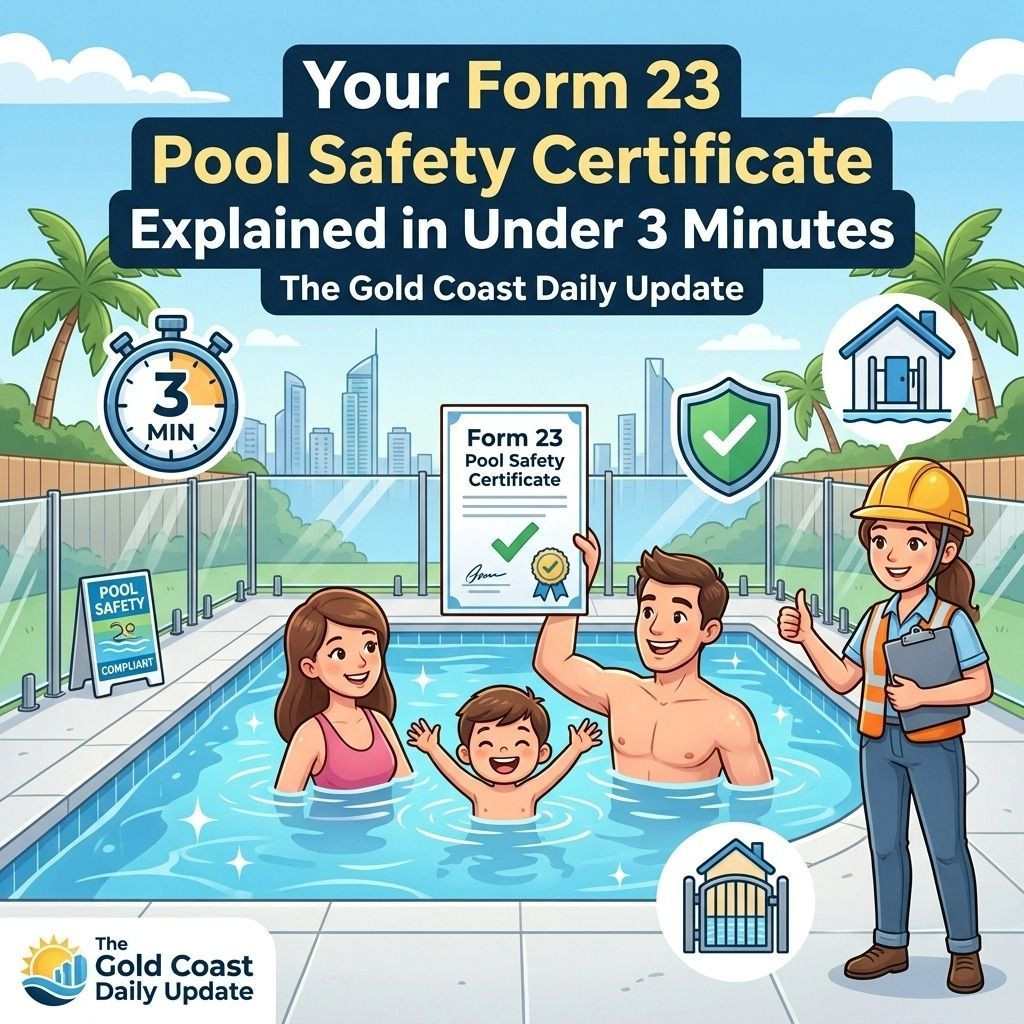
Hey there, Gold Coast pool owners! I’m Joel, and I run Get My Pool Certified. I know your time is precious, probably spent better at the beach or firing up the BBQ than reading government forms. But if you’re selling your home, renting it out, or just want to make sure the kids are safe, that little piece of paper call
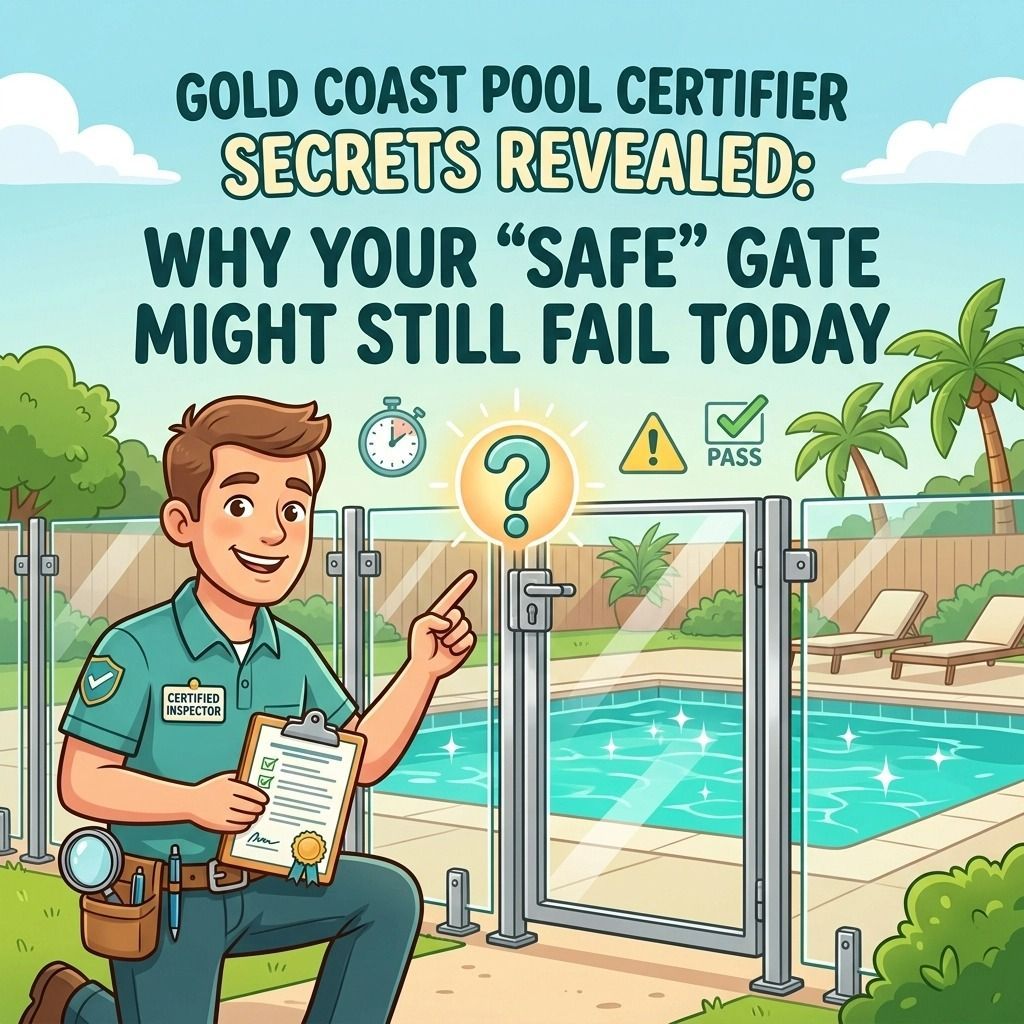
G’day, Gold Coast homeowners! ☀️ Ever walked past your pool gate, given it a little nudge, and thought, “Yep, that’s solid. No way a kid is getting through there”? You’re not alone. Most of us take a quick look and assume everything is sweet. But here’s the reality: as a pool certifier gold coast, I see "safe-looking" gates fail inspections every single day. It’s not because the gate is broken or falling off its hinges. Often, it’s because of tiny technicalities in the pool fence regulations...

G’day, Gold Coast neighbors! Joel Hey here from Get My Pool Certified. If you’re reading this, you’ve probably got a beautiful pool, a looming deadline, and maybe a little bit of stress bubbling up. Whether you’re selling your home in Burleigh, renting out a property in Southport, or you just want to make sure the kids are safe for the weekend BBQ, getting that pool safety certificate gold coast shouldn't feel like a trip to the dentist. We get it: the rules can feel like a tangled mess of...

G’day, Gold Coast pool owners! Joel Hey here, the owner of Get My Pool Certified. Lately, if you’ve been hanging out at the local Bunnings or chatting with neighbors over the fence, you might have heard a new phrase popping up: "Daily Compliance." It sounds a bit like corporate homework, doesn't it? But here on the Gold Coast, it’s actually becoming the gold standard for backyard safety. We live in the pool capital of Australia. Whether you're in Robina, Burleigh, or up in Hope Island, having...
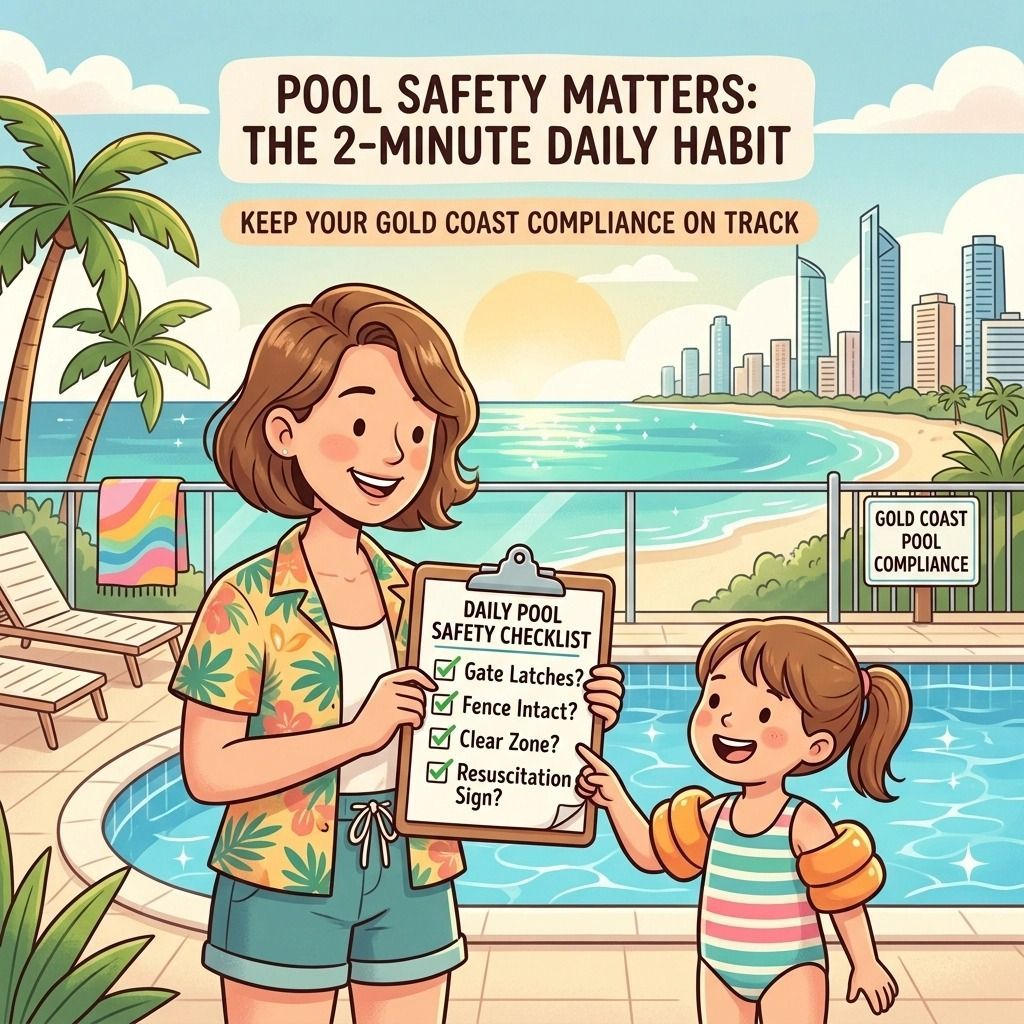
G’day, Gold Coast pool owners! Joel Hey here from Get My Pool Certified. If you’re lucky enough to live in our neck of the woods, you know that a backyard pool isn’t just a luxury, it’s the heart of the home. It’s where we host the Sunday barbie, where the kids burn off energy, and where we escape the humidity. But as any local parent or landlord knows, that beautiful blue water comes with a fair bit of responsibility. Queensland has some of the toughest pool fence regulations QLD has ever...
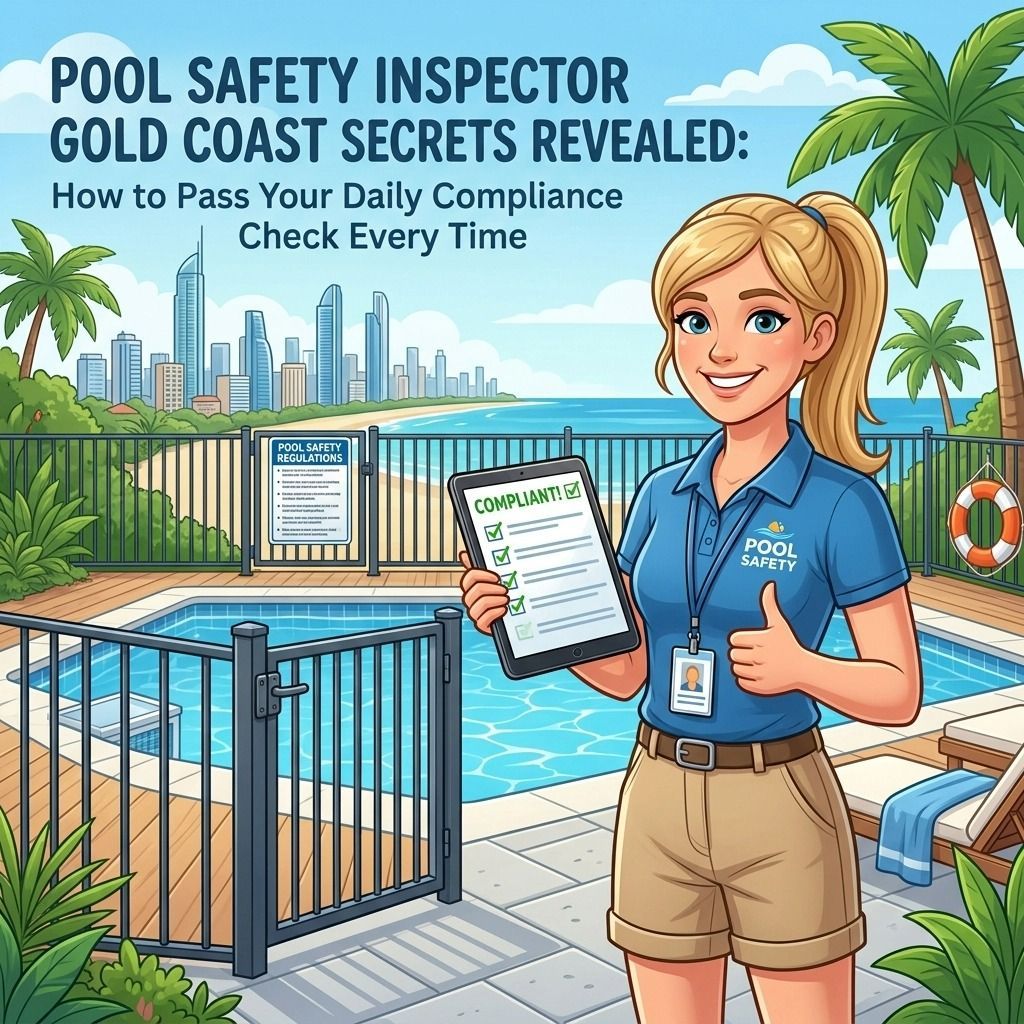
G'day, Gold Coast pool owners! Joel here from Get My Pool Certified. If you own a pool in our beautiful part of the world, you know that keeping it safe is about more than just keeping the water blue, it’s about keeping our little ones safe and staying on the right side of the law. I’ve spent years as a pool safety inspector Gold Coast locals trust, and I’ve seen it all. From gates tied up with octopus straps (please, don’t do that!) to CPR signs that have faded into blank white squares. The...


